
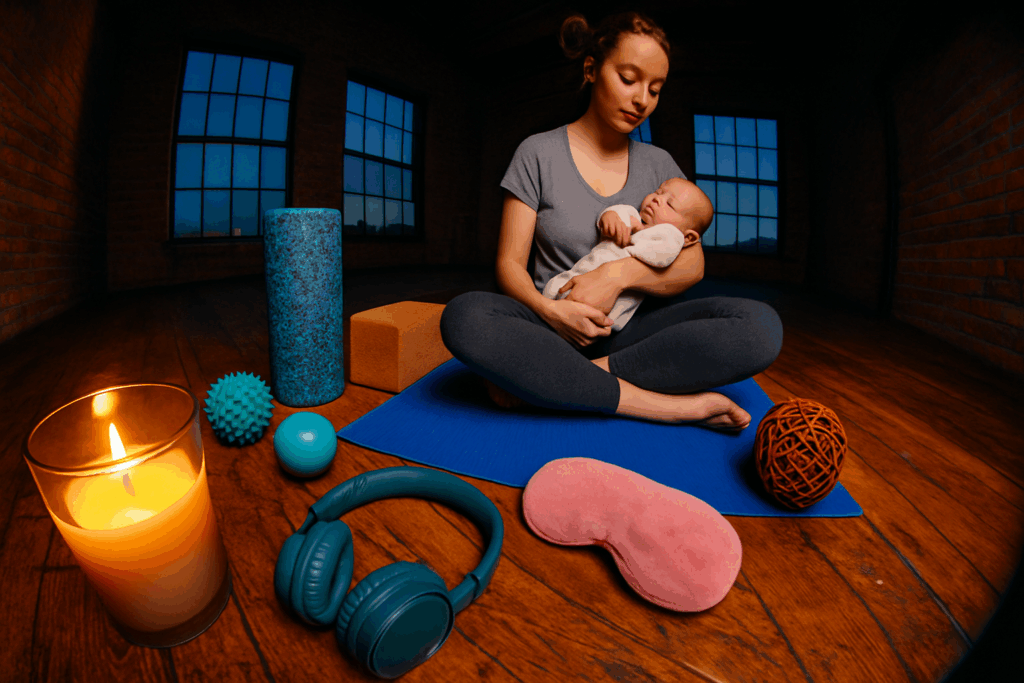
Recognizing What Postpartum Stress Looks Like
Postpartum stress doesn’t always come with a dramatic meltdown or a tear streaked face in a rocking chair. It’s quieter than that sometimes just a flood of anxiety while the baby sleeps, or snapping at someone over small things you wouldn’t usually care about. Then there’s the exhaustion that doesn’t go away, even after you sleep. Mood swings show up out of nowhere. You might feel irritable, restless, or on edge for no clear reason. And all of it makes you feel like you’re falling behind, even when you’re doing everything right.
Here’s the line: postpartum stress is not the same as postpartum depression. Stress is more situational it flares up when you’re overtired, overwhelmed, or out of routine. It may pass on its own, especially if you catch it early and adjust your environment or habits. Depression, on the other hand, sticks. It seeps into your daily life, numbs joy, and lingers even when things calm down. If your low moods or anxiety don’t lift, it’s time to speak to someone.
Short bursts of stress might seem minor, but they add up. Ignoring them because they seem temporary or “not serious enough” only lets them deepen. The earlier you acknowledge what’s going on, the easier it is to manage. You don’t need a crisis to deserve care.
Your Body and Brain Just Did Something Huge
Let’s get this out of the way: you didn’t “bounce back” because your body was never meant to. Postpartum isn’t a rewind it’s a reset. And that reset comes with changes that can be quiet but powerful.
First, the physical stuff. Your core muscles, ligaments, and pelvic floor went through a lot. Even small movements might feel off. Things you never noticed before like sitting for long periods or walking stairs can sneak up and drain your energy quickly. None of this means you’re broken. It means your body is healing.
Then comes the sleep debt. It hits harder than expected, and naps don’t quite zero the balance. Your brain needs rest to regulate emotions, process stress, and remember where you left the diaper cream. Add in hormonal shifts highs, lows, and everything between and even simple tasks can feel overwhelming.
You are not failing. You are rebalancing. Feeling elated one minute and weepy the next? Normal. Frustrated because you can’t find a rhythm? Also normal. Understanding this emotional rollercoaster is part of moving through it. Don’t dismiss it track it, talk about it, and give yourself permission to feel whatever you feel.
Postpartum isn’t just a baby chapter. It’s a body brain reboot. Give it the respect it demands.
Simple Routines That Actually Help
Small, sustainable routines can make a big difference in managing daily postpartum stress. You don’t need an elaborate self care plan you just need habits that create moments of calm, fuel, and clarity. Here’s how to keep it simple and effective:
The 20 Minute Reset
A full day off may not be realistic but a quick reset can go a long way.
Take a quick nap when the baby sleeps, even if it’s just 15 20 minutes
Step outside for a walk to clear your head and stretch your body
Find quiet time in the shower, meditating, or just sitting with your eyes closed
These short breaks help calm your nervous system, boost your mood, and reset your energy.
Fueling Your Energy (Without Overthinking It)
You don’t need a perfect diet. But nourishing your body supports your mood and stamina.
Focus on small, frequent meals to maintain blood sugar and energy
Choose snacks with protein and fiber (like yogurt, nuts, or a hard boiled egg)
Don’t forget hydration it impacts mood more than most realize
Even a glass of water and a few bites of something nutritious can make a big difference.
The Basics That Are Easy to Skip
Stress makes us forget the fundamentals. Build them into your day, even in small ways.
Drink water first thing in the morning (before coffee if you can)
Breathe deeply for one full minute before grabbing your phone
Avoid skipping meals, even if it means eating one handed while nursing
These actions may feel small, but they’re foundational for mood regulation and physical recovery.
When Baby’s Routine Is Also Yours
Your baby’s routine can help stabilize yours if you let it.
Create a predictable feed sleep reset rhythm that includes you, not just the baby
Use feeding time as a reminder to hydrate, breathe, or check in with yourself
Pair nap time with parent time even if that just means sitting in quiet together
You don’t need to be perfectly structured just consistent enough to build a feeling of rhythm. That rhythm brings relief.
Open Conversations Save Relationships

Having a baby changes everything including the way you communicate with your partner. When you’re both sleep deprived and adjusting to new roles, it’s easy for misunderstandings or unspoken frustrations to take a toll. Starting honest conversations early can help prevent conflict and build stronger support for you both.
Set Expectations Early and Clearly
You and your partner may have different ideas of what “helping out” looks like. The key is to communicate clearly and frequently. Don’t assume they know what you need say it out loud.
Discuss daily baby duties and divide them in real terms
Talk about nighttime routines, feeding, and who handles what
Revisit and adjust plans as things evolve what works one week may not the next
Ask for Help Before You Reach Empty
You don’t need to hit a breaking point before you speak up.
Let your partner know when you’re overwhelmed, not after you’re past your limit
Frame help as teamwork, not failure
Be specific: say “Can you hold the baby while I nap?” instead of “I need a break”
You’re Not Meant to Go It Alone
Too often, new moms carry the mental and emotional load solo. That doesn’t make you stronger it only makes things harder.
If you’re struggling to connect or communicate, consider seeking outside support. Whether it’s a session with a therapist or checking out this resource for relationship support, help exists for a reason.
Remember:
Communication is ongoing it’s not a one time talk
Repairing small misunderstandings prevents major rifts later
Asking for support isn’t weakness it’s smart survival
Open dialogue helps you feel seen not just as a mom, but as a partner too.
Calling In The Village
Finding Your Support Circle
You weren’t meant to do motherhood alone. Building a strong support system is one of the most important ways to manage postpartum stress and it can come in many different forms:
Friends and family who actively check in not just visit the baby
Online mom groups where you can vent, share tips, or just listen
Doulas or postpartum coaches who provide emotional and physical support at home
Not everyone in your life will know how to be helpful. That’s okay. Prioritize the ones who show up with empathy, not judgment.
Let Go of the Guilt
Many new moms hesitate to ask for help, worried it means they’re not coping well. But accepting support doesn’t make you weak it makes you resilient.
You are allowed to not do it all
Saying “yes” to help is saying “yes” to recovery
Receiving support sets a powerful example for your child and yourself
Break the idea that asking for help is a failure. It’s actually one of the strongest, most proactive steps you can take.
Outsource Without Apology
There are certain jobs you don’t have to handle right now. Offloading practical tasks can free up energy for rest, bonding, or simply breathing.
Meal prep: Say yes to that friend who offers to bring food, or sign up for a meal delivery service.
House cleaning: Consider professional help or keep things simple with a few cleared surfaces.
Errands: Use delivery apps or ask your partner/family to take things off your plate.
Focus on what truly requires you. Everything else can wait or be done by someone else. The goal is less pressure, more presence.
When You Might Need More Than Rest
It’s normal to be tired. It’s not normal to feel stuck, hopeless, or like you’re watching your life happen from the outside. If things aren’t improving or if they’re getting heavier it’s time to call your doctor. You don’t need a breakdown to justify help. Persistent anxiety, crying spells, intrusive thoughts, or a flat emotional state are all reasons worth bringing up. Early care matters, and no, you won’t be judged for saying, “I’m not okay.”
Therapy isn’t one size fits all, and thankfully, 2024 knows that. Many mental health professionals offer text based coaching, video sessions, or flexible appointment hours designed for moms with unpredictable routines. Some practices even specialize in postpartum care because navigating thoughts and emotions while sleep deprived is its own category of mental health work.
Most importantly, mental wellness isn’t a side quest. It’s integral to showing up for your baby, your partner, and yourself. You’re not failing if you need support you’re investing in your future self and your entire household. If you wouldn’t ignore your baby’s health, don’t ignore your own. Mental clarity doesn’t come from muscling through; sometimes it starts with saying, out loud, that you need more than just another nap.
You’re not doing it wrong This is just hard.
Postpartum life isn’t about nailing the perfect schedule or feeling peaceful all the time it’s about surviving each day with whatever tools you’ve got. Perfection is a myth that burns moms out fast. The truth? Getting through the day, feeding yourself, keeping the baby alive that’s winning. If you can take five deep breaths, eat breakfast, or get a three minute shower in, count it as a success. These aren’t small things. They’re proof you’re still showing up.
There’s power in adjusting your lens. Start measuring progress in real moments like texting a friend when you feel off, or asking your partner for a 10 minute breather. Long term strength comes from habits that aren’t glamorous but keep the wheels turning. And when you and your partner work as a team even in short check ins or split chores it builds emotional resilience that pays off big time. Ongoing connection and relationship support makes the hard days less heavy.
Motherhood isn’t a test. It’s a series of moments some chaotic, some calm. You’re not behind. You’re in it. And that’s more than enough.
Last Thought: Redefining What Success Looks Like in Motherhood
Stress Doesn’t Define Your Motherhood
It’s easy to feel overwhelmed when every day feels like a juggling act. But it’s important to remember: stress isn’t a reflection of your ability to mother well. It’s a natural response to a major life transition. Feeling stretched thin doesn’t mean you’re doing anything wrong it often means you’re pouring yourself into something that matters deeply.
Experiencing stress doesn’t make you a bad mom
It means you’re adapting to something physically and emotionally immense
What feels like chaos now is part of your long term strength
You’re Doing More Than Enough
Even when it doesn’t feel like you’re succeeding, the effort you’re putting in waking up for feedings, calming cries, managing your own healing is more than enough. Progress isn’t measured in perfect routines or spotless homes. It’s showing up, again and again, in small, resilient ways.
Just making it through the day is a legitimate achievement
Quiet perseverance is strength, even if no one sees it
There is no “right” way to feel, heal, or mother give yourself permission to be human
Final Words
You’re not failing. You’re adjusting. You’re learning. And if no one has reminded you lately: you’re doing a remarkable job.