
Think Beyond TV Time
It’s tempting to flip on a show and call it handled. But here’s the truth: passive screen time burns fast. Kids might sit still for a bit, but their brains know when they’re not being challenged. What starts as calm often turns to cranky boredom, especially when a rainy afternoon stretches long. Screens entertain but they don’t satisfy for long.
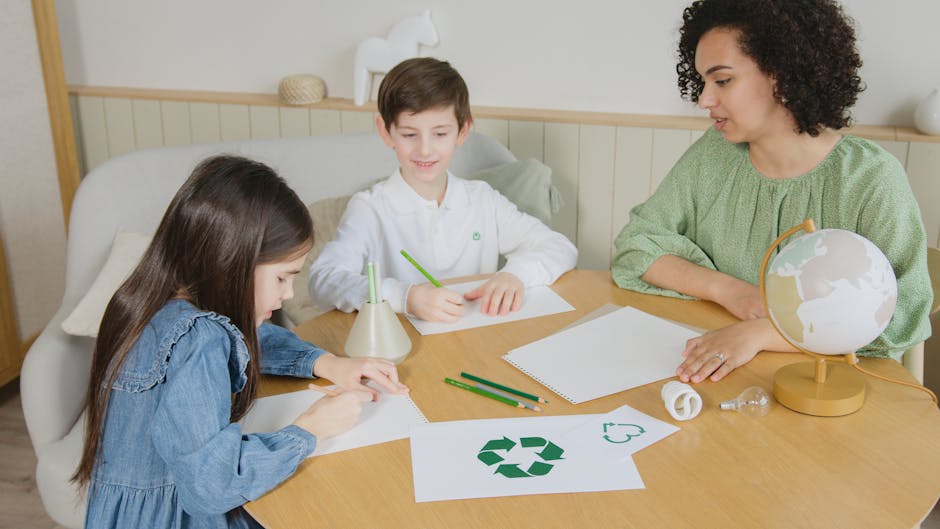
Hands on projects do more. Give a kid a task cut this, build that, paint here and watch their energy shift. Structured activities pull focus, teach patience, and spark a sense of progress. They give kids small wins to feel proud of, and you can feel the difference in the room.
But the real power comes from creativity. When kids draw, build, or invent something out of cardboard and string, they’re not just passing time they’re learning to think sideways. Problem solving, storytelling, emotional regulation it all gets a quiet workout. And on grey, low energy days, that spark of making something can be exactly what lifts the mood.
TV may keep them quiet. But creativity keeps them going.
DIY Craft Projects That Don’t Require a Trip to the Store
A rainy day doesn’t mean you need to make a last minute run to the craft store. Chances are your home already holds plenty of materials ready for transformation. The focus is on creativity not perfection and the joy of making something out of nothing.
Start with What You Have
Before gathering supplies, take a quick inventory of common recyclable and household items:
Toilet paper and paper towel rolls
Empty cereal or shipping boxes
Scrap paper and old magazines
Single socks, unmatched and unused
Bottle caps, buttons, or craft odds and ends
These items can become the building blocks for fun, imaginative crafts with little to no spending involved.
Kid Approved Upcycled Craft Ideas
Here are a few simple, screen free projects that tap into creativity without needing a shopping list:
Paper Towel Roll Animals Use markers, glue, and scrap paper to turn cardboard tubes into safari creatures, pets, or fantastical monsters.
Cardboard Cityscapes Cut out buildings and streets from leftover boxes for a custom designed town set on the living room floor.
Sock Puppets Unmatched socks become characters with just a few buttons, yarn scraps, and a little imagination.
Safe and Age Appropriate Tools
To keep crafting fun and frustration free, tailor tools to the child’s age:
Safety scissors and washable glue for younger kids
Low temp glue guns and small tools for older kids (with supervision)
Aprons or old t shirts to avoid mess related meltdowns
Keep crafting time fun, not stressful, by offering encouragement and guiding when needed, but also stepping back to let kids explore and problem solve on their own.
For more no store needed ideas, check out this guide with simple DIY crafts using household items.
STEM Challenges Made Simple
You don’t need a lab or a budget to get kids thinking like engineers and scientists. Start with the basics: dry spaghetti, tape, and a marshmallow. The challenge? Build the tallest free standing tower that can hold the marshmallow on top. It’s low tech but high impact kids learn about structure, balance, and why triangles are stronger than squares.
Next up: make your own board game. The rules are simple actually, the rules are whatever your kids make up. Provide some cardboard, markers, dice, and small toys as game pieces. Let imagination call the shots while they plan storyline, rules, and challenges. It’s problem solving in disguise.
When kitchen chemistry comes into play, it’s messy and that’s the point. A baking soda volcano never gets old. Turn it into a mini Earth science lesson. Homemade slime? That’s polymer science. Let them mix colors, textures, and ingredients (with supervision). It’s reaction + creativity in real time.
None of this needs a textbook. These mini projects push critical thinking, systems testing, and iteration. Best part? They feel like play while laying the groundwork for how kids understand the world.
Indoor Movement Games That Burn Energy

When outdoor play isn’t an option, getting kids to move indoors can make a big difference in their mood, focus, and energy levels. These indoor movement games are low prep, high fun, and perfect for rainy days.
Create a DIY Obstacle Course
Transform your living room into a mini adventure zone:
Use couch cushions, rolled up blankets, and chairs to make climbing or crawling challenges
Add string for kids to limbo under or step over like lasers
Set up stations with jumping jacks, hopping on one foot, or animal walks
Tip: Time them for a little friendly competition or let each child design their own course.
Keep It Active with Indoor Sports
Use soft materials to play gentler versions of classic games:
Balloon volleyball: set up a “net” with a ribbon or string and take turns keeping the balloon off the ground
Paper plate tennis: tape paper plates to sticks or rulers for rackets, then use a balloon or soft ball
These are great options when space and furniture make running tricky.
Freeze Dance Party
Let out energy with a quick dance session:
Play upbeat music and have kids dance freely until the music stops then freeze in place
Add a twist: have them freeze in silly poses, or assign a theme to each round
A freeze dance party is quick, fun, and easy to reset throughout the day.
Keep Kids Moving Even with Limited Space
Movement matters, rain or shine. Even the simplest activity can:
Improve mood and reduce restlessness
Help kids concentrate better in quieter activities later
Create natural transitions between high energy and calm times
Try mixing one or two movement games between creative or learning based projects to keep the rhythm of the day balanced and fun.
Quiet Time Activities That Still Engage
Not every rainy day minute has to be loud or high energy. Quiet time doesn’t mean zoning out it’s about focused, calming activities that still keep minds active.
Start with story dice. Roll a few, lay them out, and ask your child to craft a short story around the images. It’s storytelling made tactile, and it works solo or with siblings who want to co create their own bizarre fairytale.
Puzzles hit the same note differently. Whether it’s a jigsaw, logic puzzle, or a building challenge, they invite problem solving and concentration. Rotate puzzles to keep them fresh or create mini time challenges to add a twist.
Pair audiobooks with drawing time. Listening and creating at the same time taps into multiple senses and keeps hands busy while imaginations drift. It’s a calm combo that’s surprisingly immersive.
For older kids, journaling works wonders. Prompts like “Invent a new holiday” or “Describe your dream treehouse” get them writing without making it feel like homework. It’s private, low pressure, and builds a habit of reflection.
These aren’t just distractions they’re quiet tools for curiosity and self expression. Perfect for grey days when stillness has value.
Pro Tips for Making Rainy Days Run Smoothly
A little preparation goes a long way when the weather turns and cabin fever sets in. Start by setting up an “indoor day” supply bin in advance. Stock it with basics like crayons, kid scissors, glue sticks, index cards, board games, painter’s tape, balloons things you won’t have to hunt down when energy levels spike and attention spans drop.
Next, ditch the rigid schedule. Instead, aim for a flexible routine a loose structure that helps kids know what’s coming without squeezing the joy out of the day. Think rhythm, not regimen. This gives just enough predictability to keep the vibes calm without triggering rebellion.
Break the day into activity blocks, rotating things every 20 to 40 minutes depending on age and interest. Short bursts keep clutter (and tempers) manageable, and they help maintain engagement without burnout.
And don’t forget: leave space for unstructured time. Free play is where kids decompress, invent, and reset. It’s not downtime it’s brain work, just in disguise. So don’t fill every minute. Let them breathe.
Rainy days don’t have to be chaos. With a little planning and a lot of flexibility, they can actually feel… surprisingly doable.
Wrapping Up a Day Indoors That Actually Works
Just because the sky’s gray doesn’t mean the day has to be. At the end of any indoor adventure, take a beat to celebrate what your kids made, learned, or just plain stuck with. Let them show it off whether it’s a wobbly spaghetti tower or a comic they drew with six plot holes. That moment of recognition matters.
Cleanup doesn’t have to be a drag either. Turn it into a time trial, play some music, or make each kid the “boss” of a station (markers captain, paper stacker, etc.). The goal isn’t perfect order it’s involvement.
And yes, there will be glitter on the rug or a crayon mural in unexpected places. That’s part of the trade off for creativity and joy. Embrace the mess a little.
Finally, whenever something clicks a craft that held their focus or a game that got real laughs jot it down. Start a quick list of rainy day hits. That way, next time the clouds roll in, you’re not starting from scratch.