
Why DIY is Still a Win in 2026
Kids don’t need screens to stay busy. What they actually crave is something hands on, something they can shape and call their own. DIY crafts using what’s already lying around the house aren’t just fun they build useful skills too. We’re talking problem solving, hand eye coordination, imagination, and a sense of independence that grows each time they figure something out without asking Google or tapping an app.
And here’s the kicker: you don’t need to drop cash at the craft store every weekend. The recycling bin? That’s your hidden goldmine. A glue stick, some curiosity, cardboard, maybe grandma’s button jar and you’ve got fuel for hours of creative play. It’s low prep, low pressure, and high return. Plus, these kinds of activities give kids control in a world that often tells them what, when, and how.
Busy hands, unplugged minds, and zero dollars spent. That’s not just winning it’s sustainable parenting.
No Buy Crafting: What You Already Own Is Enough
You don’t need a trip to the craft store to spark creativity. Some of the most versatile supplies are already sitting in your recycling bin. Cereal boxes turn into sturdy canvases or DIY puzzles. Toilet paper rolls? Instant rockets, binoculars, or caterpillars. And bottle caps add the perfect pop as wheels, eyes, or game pieces.
Then there are the wildcard items dry pasta, bread ties, old magazines. Pasta shapes can become jewelry or lend texture to painting projects. Bread ties are surprisingly good for attaching bits and pieces. Magazines? A goldmine for collage work and storytelling prompts.
The key to making it all work is having a dedicated spot for supplies. A labeled bin or a couple of stacked drawers can become a “craft cupboard.” Stash clean recyclables, keep scissors and glue accessible, and you’re halfway to an afternoon of creative chaos that doesn’t break the bank.
Use what you’ve got. That’s the whole point. The magic isn’t in fancy tools it’s in reimagining the ordinary.
Paper Roll Binoculars
This one’s a classic for a reason. All you need are two empty toilet paper rolls, some string, and a bit of imagination. Tape or glue the rolls together side by side, punch a hole in each outer edge, tie on the string, and boom binoculars. But here’s where it gets interesting: let kids decorate them however they want. Markers, stickers, paint, feathers make them spy tools, explorer gear, or dragon eyes.
Beyond play, you’re teaching spatial awareness and basic crafting assembly. These binoculars are perfect for indoor scavenger hunts or backyard adventures. They’re also a smart way to sneak in conversations about upcycling, observation, and storytelling. Low mess, high reward just how a DIY afternoon should be.
Skill Building Without the Lecture
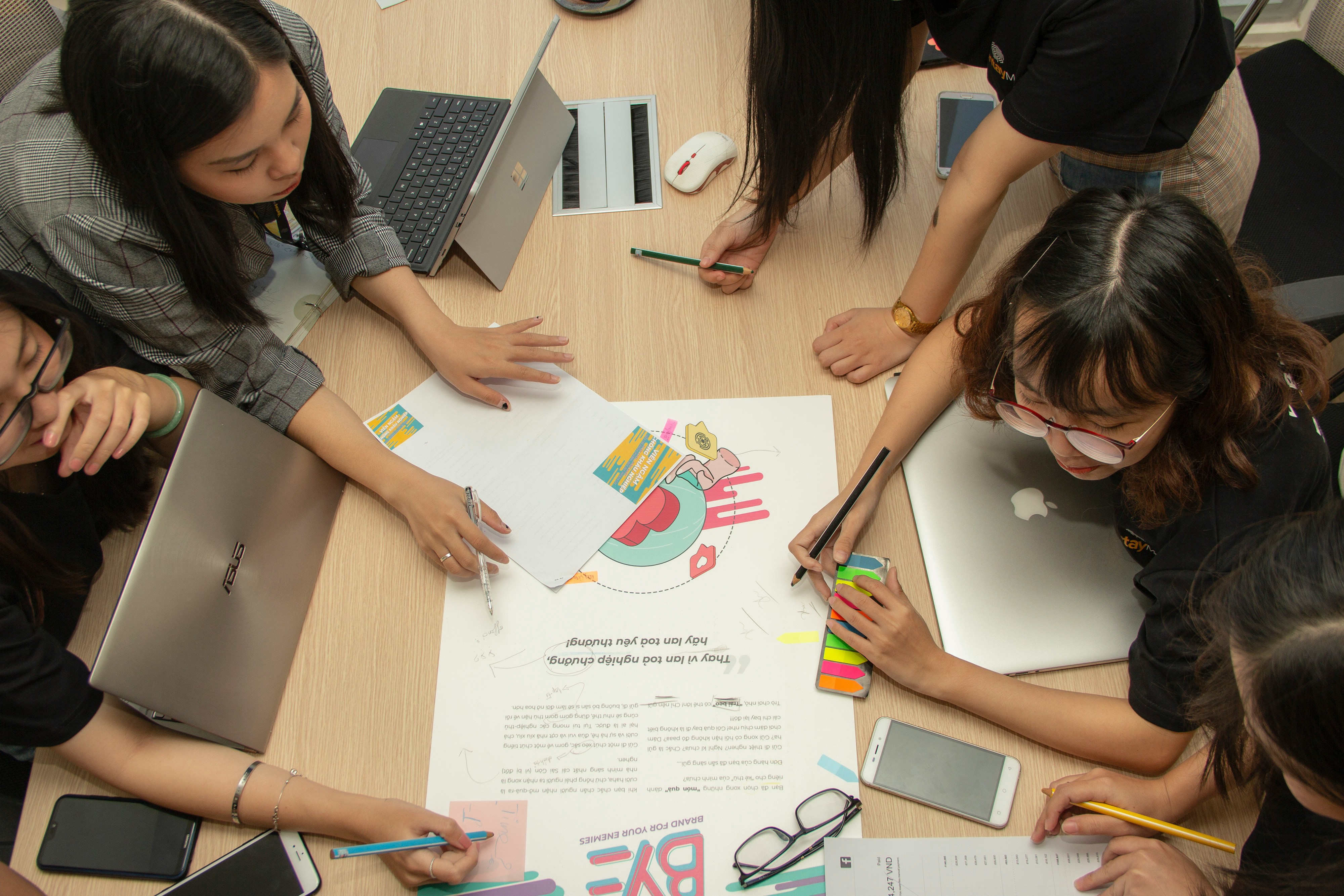
Not every project needs to be polished. In fact, the best learning often comes when glue runs wild and paint smudges. Low stakes, just for fun crafting builds confidence without pressure. When there’s no grade, no rules, and no Pinterest perfection to chase, kids get bold with their ideas. They try, fail, try again and that’s the whole point.
These moments also crack open space for storytelling and empathy. A sock puppet becomes a hero. A cardboard box transforms into a spaceship with a name and a mission. As kids narrate who built what and why, they practice creativity and emotional expression without even realizing it.
Best of all? This is time that matters. Not in a big, flashy way but in a small, consistent one. When you sit down and color next to your kid or help tie a string around their binoculars, you’re building trust. You’re saying, without words: I see you. Let’s create something, side by side.
Explore more ways to turn simple activities into growth moments in The Benefits of Volunteering as a Family.
Keeping It Sustainable
Not every scrap is safe or worth keeping. When reusing materials, check labels. Skip anything with mold, sharp edges, or questionable coatings. Wash containers, sanitize surfaces, and keep anything that once held food thoroughly clean. Keep a bin labeled “clean recyclables” so kids know what’s usable.
To avoid drowning in paper tube castles and googly eyed bottle caps, rethink the rotation. Have a small shelf or box that acts as your “active project zone.” Once that fills up, clean house. Let kids choose what to keep, repurpose, or recycle. This teaches both ownership and decluttering.
And when enthusiasm dips? Shift the lens. A seasonal theme like winter animals or spring gardens can breathe new life into familiar supplies. A mini challenge (“build a rocket using only red items”) adds novelty without needing new stuff. Creativity thrives with a tight box and a fresh prompt.
Make It Stick: Building a Habit of Creative Play
A one off afternoon of crafting is fun but building a habit around creative play can truly enrich a child’s development and foster lasting memories. Here’s how to make DIY time a regular part of your family rhythm:
Set a Weekly “Maker Hour”
Routine builds anticipation. Choose one day each week perhaps Saturday morning or Wednesday afternoon and dedicate it to crafting. Treat it like a family appointment that everyone can look forward to.
Block it off on the calendar
Keep supplies on hand in your craft cupboard
Celebrate consistency over complexity (even a 20 minute session counts)
Let Kids Take the Lead
Ownership boosts engagement. Empower your kids to choose the craft each week. This not only sparks excitement but also develops decision making and planning skills.
Create a “craft idea jar” to draw from
Flip through a DIY book or Pinterest board together for inspiration
Encourage their own invention even if it gets messy
Showcase Their Work
Finishing a project is only half the reward seeing it proudly displayed offers a huge confidence boost. Turn your home into an evolving gallery of their creations.
Hang artwork in a hallway or above their desk
Dedicate a shelf for 3D projects or keep a rotation box
Snap photos of finished crafts and compile a digital scrapbook or slideshow
A consistent approach to creative play gives your child a space to imagine, express, and grow. And yes, it’s just as fun for grown ups when you jump in too.