
I know what it’s like to get parenting advice from every direction and still feel lost.
You’re drowning in tips from blogs, social media, and well-meaning relatives. But half of it contradicts the other half. And you’re left wondering what actually works.
I’ve spent years sifting through parenting strategies to find what holds up. Not the trendy stuff that sounds good. The methods that actually make your day easier and your kids happier.
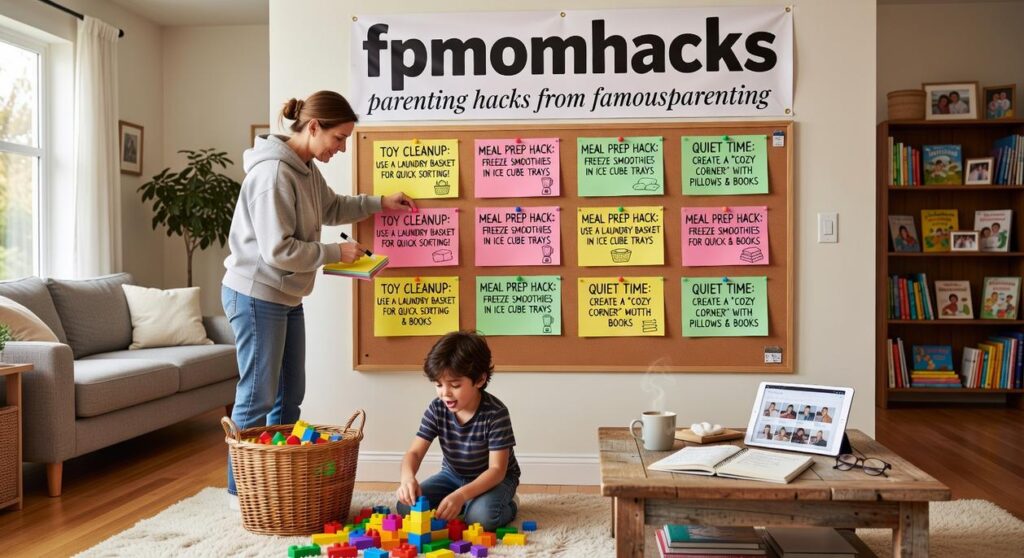
This guide pulls together fpmomhacks parenting hacks from famousparenting that have been tested by child psychologists, pediatricians, and parents who’ve been in your shoes. Real people dealing with real tantrums, bedtime battles, and picky eaters.
You’ll find strategies you can use today. No complicated systems or perfect-parent expectations.
I’ve organized everything into clear sections so you can jump to what you need most right now. Whether that’s getting your toddler to actually listen or finding five minutes of peace in your day.
This isn’t about being a perfect parent. It’s about being a better one tomorrow than you were today.
The Cornerstone: Fostering Connection Through Communication
You can’t correct what you haven’t connected to first.
I learned this the hard way. My daughter was melting down over homework and I jumped straight into fix-it mode. Didn’t work. She just got more upset.
Here’s what I wish someone had told me earlier.
Active Listening vs. Hearing
Most of us hear our kids. We nod while scrolling our phones or mentally planning dinner. But listening? That’s different.
Listening means you stop what you’re doing. You look at them. And you try to understand what they’re actually saying (not just the words coming out).
When your son says he hates school, he’s probably not talking about the building. Maybe he’s struggling with a friend or feels lost in math class.
Try phrases like “It sounds like you felt really frustrated when that happened” or “That must have been hard for you.” You’re not fixing anything yet. You’re just showing them you get it.
Some parents say this takes too much time. They argue kids need solutions, not validation. And sure, solutions matter eventually.
But think about the last time you vented to a friend. Did you want them to immediately solve your problem? Or did you just need someone to say “Yeah, that sucks”?
Kids are the same way.
The Connect Before You Correct Rule
This one changed everything for me.
When my kids mess up, my first instinct is to jump in with consequences. But when I pause and connect first, the whole conversation shifts.
Let’s say your daughter drew on the wall (again). Instead of leading with “What were you thinking?” try “I see you made some art. Tell me about it.”
After she explains, then you can address the wall situation. The difference? She’s calm enough to actually hear you.
Child development experts back this up. When kids feel connected, they’re way more likely to cooperate. Power struggles drop because you’re not fighting anymore. Incorporating Fpmomhacks into your gaming routine can foster stronger connections between players, mirroring the child development experts’ findings that when kids feel connected, they’re much more likely to cooperate and reduce power struggles.
You can find more approaches like this at fpmomhacks parenting hacks.
Family Meetings as a Tool
I know what you’re thinking. Another thing to add to the schedule?
But hear me out. These don’t need to be formal or long.
Pick 15 minutes once a week. Sunday night works for us. Sit down together and talk through what’s coming up. Who has soccer practice? What’s for dinner Tuesday? Did anyone have a rough week?
Give everyone a chance to speak. Even the little ones.
My five-year-old once brought up that she felt left out when her brother had friends over. I had no idea. That one conversation prevented weeks of sibling drama.
The goal isn’t perfection. It’s just creating space where everyone feels heard.
Guidance Over Punishment: Positive Discipline That Works
You’ve probably heard the term “positive discipline” thrown around.
Maybe you’re wondering if it just means letting your kids do whatever they want.
It doesn’t.
Here’s what I mean. There’s a big difference between being permissive and being authoritative. Permissive parents avoid conflict and rarely set boundaries. Punitive parents rule with fear and control. But authoritative parenting? That’s where you set clear limits with empathy.
Your kids need to know where the line is. But they also need to know you’re on their team.
Natural and Logical Consequences
This is where fpmomhacks parenting hacks really shine.
Instead of yelling or taking away screen time for every infraction, let reality do the teaching. If your child refuses to wear a coat, they feel cold walking to the car (you can always bring it along). If they spill juice because they’re goofing around, they help clean it up.
These aren’t punishments. They’re just what happens next.
The key is staying calm. You’re not angry. You’re just helping them connect their choices to outcomes.
Understanding the ‘Why’ Behind Behavior
Here’s what most parenting advice gets wrong.
They tell you how to stop bad behavior. But they skip the most important question: What need is my child trying to meet?
A toddler hitting isn’t just being mean. They might be tired, overwhelmed, or don’t have the words yet. A kid who refuses homework might be anxious about getting it wrong.
When you ask “why” first, you shift from reacting to problem solving. You teach emotional regulation instead of just demanding compliance.
And that’s what actually sticks.
Building Capable Kids: Nurturing Independence and Resilience
You want your kids to be independent.
But then they struggle with something simple and you jump in to fix it. I do it too.
Here’s what I’ve learned though. Every time we rescue our kids from a challenge, we’re actually telling them they can’t handle it themselves.
Some parents say kids today are too young to handle real responsibilities. They argue that childhood should be carefree and that chores or struggles just add stress. And sure, I get where they’re coming from. While some argue that childhood should be a time free from responsibilities, the insights found in the Relationship Guide Fpmomhacks suggest that even young gamers can benefit from learning to navigate challenges and build resilience through their experiences.
But here’s the problem with that thinking.
Kids who never contribute to the household don’t develop competence. They don’t feel like they belong or matter. And when they hit the real world? They fall apart at the first sign of difficulty.
The Value of Age-Appropriate Chores
I’m not talking about turning your home into a boot camp.
Start small. Preschoolers can set napkins on the table or put their shoes away. School-aged kids can pack their own lunch or fold laundry (it won’t be perfect and that’s fine). Teens can cook simple meals or manage their own schedules.
The specific task matters less than the act of contributing. When kids see their work helps the family function, something clicks. They feel capable.
Embrace ‘Productive Struggle’
This one’s hard for me.
Watching your kid wrestle with tying their shoes for ten minutes when you could do it in five seconds? That takes serious restraint.
But that struggle IS the learning. Their brain is literally building new pathways when they work through problems themselves. Jump in too fast and you short-circuit the whole process.
I call it productive struggle because the frustration has a purpose. They’re not suffering for no reason. They’re building resilience and problem-solving skills they’ll use forever.
Encourage Curiosity with Open-Ended Questions
“Did you have a good day?” gets you nowhere.
Try this instead. “What made you laugh today?” or “What was the hardest part of your day?”
These questions from parenting tips fpmomhacks actually spark conversation. Your kids have to think and reflect instead of giving you a one-word answer.
You’ll learn what’s really going on in their world. And they’ll develop the habit of processing their experiences instead of just moving from one thing to the next.
The payoff? Kids who can handle themselves when you’re not around.
The Parent’s Toolkit: Managing Your Own Well-being
You don’t need to be perfect.
I know that sounds simple but most parents I talk to are still chasing some impossible standard. They think one bad day or one lost temper means they’ve failed.
Here’s what I want you to know. Good enough parenting is actually good parenting. Your kids don’t need you to be flawless. They need you to be present and trying.
Mistakes happen. You’ll say the wrong thing or lose patience when you’re exhausted. That’s normal. It doesn’t erase all the times you got it right.
When things get overwhelming, you need quick ways to reset. I’m talking about things that take less than two minutes because let’s be honest, that’s all you’ve got most days.
Try a 60-second breathing exercise when you feel yourself getting tense. Step outside for fresh air while the kids are occupied. Put on one song you love and just listen (even if it’s in the bathroom with the door locked).
These aren’t going to solve everything. But they give you a moment to come back to yourself.
You also need other parents in your corner. Whether that’s through a relationship guide fpmomhacks approach or just texting with someone who gets it, connection matters.
Talking to people who understand what you’re going through cuts through the isolation. You realize you’re not the only one struggling with bedtime battles or picky eaters. Finding community support while navigating the challenges of parenting, such as bedtime battles or picky eaters, can be incredibly beneficial, and resources like Parenting Tips Fpmomhacks offer valuable insights to help you feel less alone in your journey.
Find your people and lean on them when you need to.
Your Journey in Parenting
You came here looking for parenting tips that actually work.
This guide gave you strategies that focus on what matters: communication, positive discipline, and helping your kids become independent.
I know parenting can feel overwhelming. Some days you wonder if you’re doing anything right. But you don’t have to figure it all out alone.
These fpmomhacks parenting hacks from famousparenting are backed by experts who understand what you’re going through. When you put them into practice, you’ll build a stronger connection with your children. Your home becomes more peaceful.
Here’s what I want you to do: Pick one strategy from this list and try it this week.
Just one.
Small changes make the biggest difference when you stick with them. You don’t need to overhaul everything at once.
Start where you are. Use what you learned. Your family will feel the shift. Homepage.