
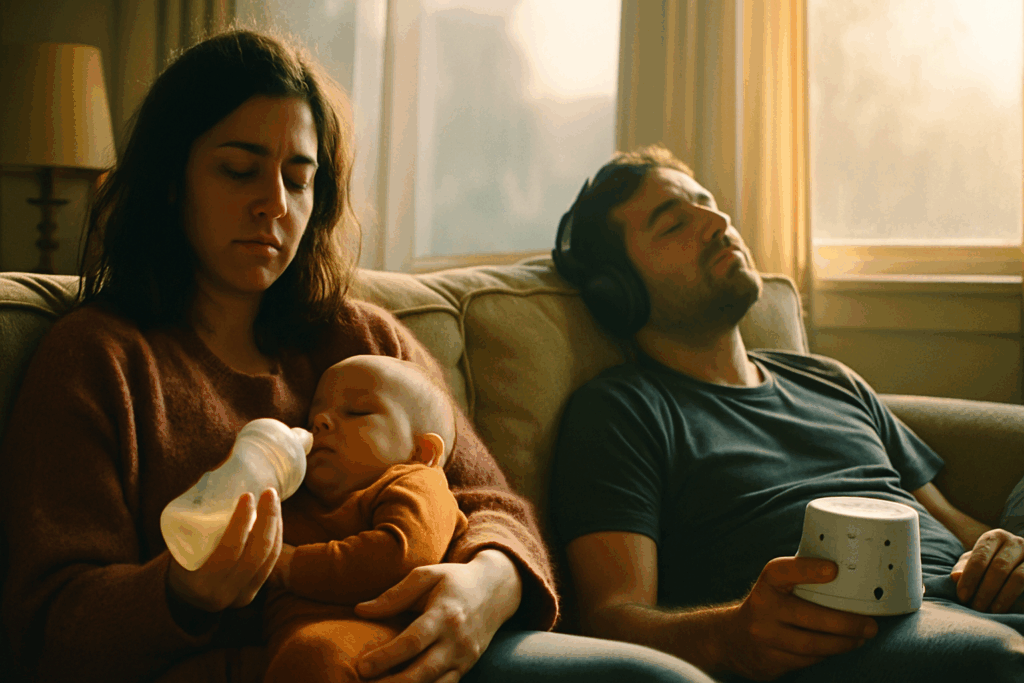
Why Sleep Feels Impossible in the First Months
Newborn sleep isn’t broken it’s just brand new. Infant sleep cycles are biologically different from adult ones. Their circadian rhythms are undeveloped, so they wake frequently for food, comfort, and connection. This erratic sleep pattern isn’t a malfunction it’s survival. But that doesn’t make it any less brutal.
Many first time parents come in with baked in myths: that babies should “sleep through the night” early on, or that good parenting equals perfect nap schedules. These ideas set unrealistic expectations and pile on guilt when things go sideways. The truth is, most newborns wake often. Most parents feel like they’re barely hanging on.
Chronic sleep loss doesn’t just leave you tired. It can erode patience, cloud decision making, and strain partnerships. You might snap at your partner over a burp cloth or cry because you misplaced a pacifier. You’re not failing you’re running on fumes. Sleep deprivation is a full body experience, and it lingers into every corner of life if unacknowledged. Naming it is a first step. Surviving it takes honesty, flexibility, and a lot of small wins.
What “Good Enough” Sleep Really Looks Like
Rethinking Sleep Expectations in 2026
For new parents, the idea of getting 8 uninterrupted hours of sleep is often more fantasy than fact especially in those early months. Instead of chasing an ideal that doesn’t reflect the realities of parenting a newborn, it’s time to redefine what sleep success looks like in the here and now.
“Good enough” sleep means getting rest where and when you can
It’s less about quantity and more about how restorative that rest feels
Instead of idealizing uninterrupted nights, focus on recovery windows
Embrace Flexible Sleep Strategies
You’re not doing it wrong if your sleep looks different from day to day. In fact, adaptability is key in this phase.
Strategies that help include:
Power naps: Even 20 30 minutes can take the edge off serious fatigue
Shift sleeping with your partner: Tag teaming night duty can allow each of you a longer stretch of uninterrupted rest
Short and staggered sleep: A few restorative blocks across 24 hours still count
Aim for Restoration, Not Perfection
Your ultimate goal is simple: feel stable enough to function. Prioritize practices that support mental clarity, emotional regulation, and physical recovery not a textbook sleep schedule.
Ditch the guilt about sleeping “wrong”
Trust your body’s signals and rest when you can
Opt for rest over rigid routines
Sleep may not be perfect but if it helps you feel human again, it’s enough.
Baby Sleep Patterns: What’s Normal?
New parents often ask: “Is this normal?” when it comes to how much (or how little) their baby is sleeping. Here’s a grounded look at what to expect and when not to panic.
Typical Sleep Durations by Month
0 1 Month: Newborns sleep around 14 17 hours across day and night, but broken into short stretches. Don’t expect a pattern yet.
2 3 Months: Total sleep hovers around 14 16 hours, with longer nighttime chunks starting to emerge (if you’re lucky). Naps are still scattered.
4 6 Months: The start of more predictable nighttime sleep. Many babies sleep 10 11 hours overnight (with some wakes) and nap 3 4 hours during the day.
6 12 Months: Consolidation kicks in. Two solid naps and more stable nights, though illness, teething, or big milestones can throw things off.
How Developmental Stages Impact Sleep
Growth spurts, brain leaps, and motor skills all stir the pot. A baby who starts rolling or crawling might wake more often. Separation anxiety disrupts sleep around 8 10 months. It’s normal for sleep to regress temporarily with each leap forward.
Night Waking: When to Worry, When to Roll With It
A couple of wake ups each night, especially in the first six months, is par for the course. Hunger, habit, or just natural rhythms play a role. But if baby’s constantly upset, hard to soothe, or not gaining weight, it may be worth checking in with your pediatrician.
Bottom line: night waking isn’t always a problem to fix. Sometimes, it’s just baby doing baby things.
For more on this topic, see Understanding Baby Milestones: What’s Normal & What’s Not.
Strategies That Actually Help

Forget the color coded sleep charts and minute by minute schedules. What exhausted parents need are flexible routines patterns that hold shape without snapping under pressure. Think: bedtime rituals instead of strict times, dimming lights after dinner, or a short lullaby before the last feed. Flexibility doesn’t mean chaos it means rhythm, not rigidity.
Responsive sleep methods are a middle road between “cry it out” and constant rocking. You’re watching signals, not the clock. A yawn, a turned head, fussy limbs these cues matter more than any app notification. The key is balancing some structure with gut instinct. If baby’s tired, sleep. If baby’s not, don’t force it. You’re not training for precision you’re surviving with grace.
Safety is non negotiable, especially when you’re running on fumes. Keep the sleep space clear. Always place baby on their back. If you’re too tired, skip the couch snuggle and lay baby down safely. White noise helps block the chaos. Swaddles, when used correctly, can calm reflex bursts. And environmental cues lower lights, less activity, consistent sounds help reinforce circadian rhythms, even in babies who have no clue what day it is.
You don’t need perfection. You need a system that keeps everyone above water. These small tweaks stack up and that matters when sleep feels like gold dust.
What to Do When You’re Running on Fumes
Sleep deprivation doesn’t always slam into you all at once. Sometimes, it sneaks up slowly one skipped nap, one long night, one early morning after another. But there are signs you shouldn’t brush off: snapping at your partner over nothing, forgetting basic things like bottle prep or where you left your phone, zoning out while holding your baby. If you’re consistently foggy, irritable, or feeling disconnected, you’re past tired your body is in survival mode.
Micro recovery matters. You may not get eight solid hours, but you can steal back slivers of rest. Try these: swap 20 minutes of scrolling for an eyes closed timeout, even if you don’t fall asleep. Trade off feedings at set times so both partners get a shot at REM. Breathe deeply on purpose for two minutes while the baby naps. Build in these moments like you’re sneaking calories on a mountain hike: they keep you moving forward.
And when you’re flat, call it. Tap in a grandparent, neighbor, or anyone who says, “Let me know what you need.” Say it: “I need sleep.” Postpartum doulas aren’t a luxury for the rich they’re a lifeline for the depleted. Let someone else rock the baby while you crash hard. It’s not weakness it’s strategy. Survival with a newborn isn’t about pushing through. It’s knowing when to reach out.
Your energy is fuel for caregiving. Protect it even if it’s five minutes at a time.
Resources That Respect Your Reality
Tech isn’t going to raise your baby or tuck you in at night. But the right tools can shave minutes off your routine and give you insight when your brain is fried. In 2026, standout sleep support apps like NestRest and SleepSync offer realistic, adaptable tracking no guilt tripping for skipped naps or unpredictable wake windows. If you’re using wearables, the new generation of baby monitors sync with smartwatches to quietly notify you of sleep changes without flashing lights or pinging phones at 2 a.m. It’s data that works with your foggy brain, not against it.
Beyond gadgets, support matters just as much. The best parenting communities in 2026 are low on judgment and high on lived experience. Groups like JustLaidDown and MidnightMomsClub are frank, unfiltered spaces where venting is welcome and sleep isn’t a competition. They don’t hand out gold stars for baby schedules or passive aggressively ask if you’ve “tried a lavender diffuser.”
And when you’re really on the edge, ask for help. Say it plainly. Text a friend. Tap a neighbor. Hire someone if you can. Parenting through sleep deprivation isn’t a test of endurance it’s a time to lean on whoever and whatever can give you thirty minutes of rest. The guilt? Let it go. You’re building resilience, not auditioning for best parent of the year.
Keep Perspective: It Won’t Always Be Like This
There’s a predictable if exhausting rhythm to the first year. The 0 3 month phase is rough. Nights blur. Sleep feels like a luxury. You’re on survival mode, reactive rather than proactive. But even here, some patterns emerge: short stretches, some slightly longer ones when you’re lucky, and naps that rarely line up with your own.
From 4 6 months, many babies start consolidating sleep. This is often when a few longer nighttime stretches kick in. Maybe one four hour block. Maybe not. But it’s something. Parents who make it this far often say: this is when it stops feeling like a fire drill. This is when routines start to feel real.
After 6 months, sleep becomes more teachable less chaotic. It’s not magic, and it’s not consistent every night, but some of the fog lifts. There’s space to problem solve and adjust based on the baby’s personality, which now feels more readable.
Celebrate the small wins. A nap that lasts 90 minutes. A night with just one wake up. A morning where nobody cries before coffee. These tiny shifts matter. They build momentum. And if you ask seasoned parents, they’ll likely tell you the same thing: it gets better. Slowly, unevenly, but steadily better.
Just don’t rush it or yourself.
 There is a specific skill involved in explaining something clearly — one that is completely separate from actually knowing the subject. Wilburn Cliftere has both. They has spent years working with expert parenting advice in a hands-on capacity, and an equal amount of time figuring out how to translate that experience into writing that people with different backgrounds can actually absorb and use.
Wilburn tends to approach complex subjects — Expert Parenting Advice, Family Activities and Projects, Parenting Tips and Hacks being good examples — by starting with what the reader already knows, then building outward from there rather than dropping them in the deep end. It sounds like a small thing. In practice it makes a significant difference in whether someone finishes the article or abandons it halfway through. They is also good at knowing when to stop — a surprisingly underrated skill. Some writers bury useful information under so many caveats and qualifications that the point disappears. Wilburn knows where the point is and gets there without too many detours.
The practical effect of all this is that people who read Wilburn's work tend to come away actually capable of doing something with it. Not just vaguely informed — actually capable. For a writer working in expert parenting advice, that is probably the best possible outcome, and it's the standard Wilburn holds they's own work to.
There is a specific skill involved in explaining something clearly — one that is completely separate from actually knowing the subject. Wilburn Cliftere has both. They has spent years working with expert parenting advice in a hands-on capacity, and an equal amount of time figuring out how to translate that experience into writing that people with different backgrounds can actually absorb and use.
Wilburn tends to approach complex subjects — Expert Parenting Advice, Family Activities and Projects, Parenting Tips and Hacks being good examples — by starting with what the reader already knows, then building outward from there rather than dropping them in the deep end. It sounds like a small thing. In practice it makes a significant difference in whether someone finishes the article or abandons it halfway through. They is also good at knowing when to stop — a surprisingly underrated skill. Some writers bury useful information under so many caveats and qualifications that the point disappears. Wilburn knows where the point is and gets there without too many detours.
The practical effect of all this is that people who read Wilburn's work tend to come away actually capable of doing something with it. Not just vaguely informed — actually capable. For a writer working in expert parenting advice, that is probably the best possible outcome, and it's the standard Wilburn holds they's own work to.