
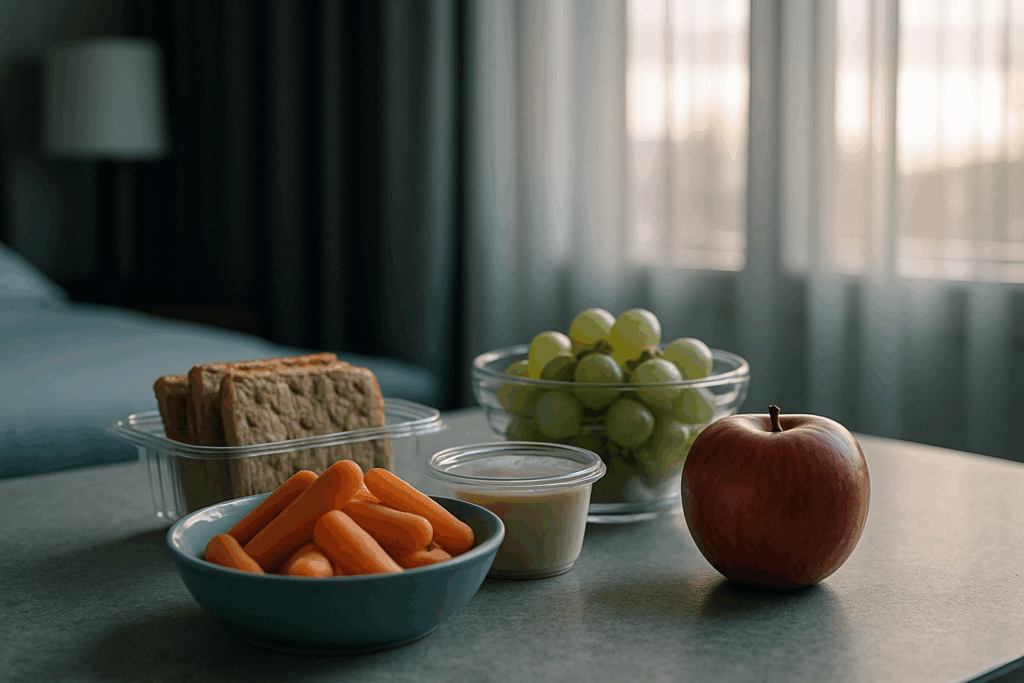
Why Smarter Snacking Matters in 2026
Kids don’t just snack more they snack a lot. Most kids eat three to four snacks a day, making up as much as 40% of their total daily calories. That used to be background noise in a diet. Now it’s a major part of their fuel supply.
Here’s the catch: too many of these snacks are ultra processed, packed with refined sugar, sodium, and mystery ingredients. They spike energy fast and crash it harder, leaving kids moody, tired, and hungry again in no time.
But here’s the good news snacks don’t have to look like junk food. With a small mindset shift, snacks can become intentional, bite sized power meals. Think balance and brain food, not filler. Power snacks can steady energy, boost concentration, and support all the building blocks growing bodies need.
The opportunity is real: if snacks are already taking up a big chunk of the plate, why not make that bite count?
Snack Goals: What Growing Bodies Really Need
In 2026, it’s time to stop settling for empty calories. Kids are putting away a serious portion of their daily intake between meals so the goal is simple: make it count. That starts with shifting focus from calorie dense to nutrient dense. It’s not about how much they eat, but what’s actually in it.
A solid snack hits the trifecta protein, complex carbs, and healthy fats. Protein builds muscle and keeps kids full. Carbs (the slow burning kind, like whole grains and fruit) give energy that actually lasts. Fats especially from nuts, seeds, and avocado help brain development and vitamin absorption.
Then there’s the bonus layer: nutrients with specific benefits. Omega 3s help growing brains stay sharp. Vitamin C and zinc keep immune systems on guard. Calcium and vitamin D are the tag team for bone strength. These aren’t wish list nutrients they’re essentials, and snacks are a great way to sneak them in.
And while labels look cleaner these days, don’t get too comfortable. Hidden sugars and sky high sodium are still everywhere from granola bars to crackers disguised as healthy. Read ingredients. Skip the guesswork. Feeding growing bodies doesn’t need to be perfect but it can’t be passive.
Bite Sized Options That Kids Actually Eat

Let’s get real: if it’s not fast and tasty, kids won’t touch it and frantic weekday mornings won’t allow for anything complicated. Here’s where easy wins come in.
Start with snacks that need zero brainpower and almost no prep:
Sliced apples paired with nut butter (stick to no sugar added options)
A hard boiled egg plus a handful of whole grain crackers
A single serve yogurt cup with fresh berries and a spoonful of chia seeds mixed in
Cheese cubes + baby carrots (a crunchy combo that feels like a treat)
Mini hummus packs (check the label) with snap peas or sliced bell peppers
Energy balls made with oats, dates, and ground flax mix on Sunday, grab all week
For parents short on time, store bought doesn’t have to mean poor nutrition. Look for clean label snacks: minimal ingredients, zero added sugar, and nothing you can’t pronounce. Brands like RXBAR Kids, Skout, or Once Upon a Farm offer ready to go options that aren’t just dressed up desserts.
Want all week ease? Try simple batch prep tricks. Pre portion fruits, nuts, and veggie sticks into small clear containers or reusable pouches. Cook up a dozen hard boiled eggs at once. Make a double batch of energy balls and freeze half. Organized snacking doesn’t take much it just takes one calm afternoon to set up a smoother week.
Make It Stick: How to Build Better Snack Habits
Getting kids to snack smart isn’t just about what you offer it’s how you offer it. Start by letting them be part of the process. Whether it’s choosing ingredients, assembling snack packs, or helping with prep, giving kids some control sets the tone. Ownership builds interest, which leads to better eating without the daily standoff.
Use clear containers or bento boxes. When kids can see what’s inside, they’re more likely to try new things and less likely to dig for the processed stuff. Make it simple, colorful, and accessible. It’s not about making every snack a Pinterest masterpiece; it’s about visibility and choice.
Keep the snack game fresh by rotating options weekly. Familiar staples are your base, but a new combo here and there keeps boredom at bay. Too much variety all at once tends to overwhelm, so change up one or two things each week instead of throwing in everything at once.
It also helps when the message is reinforced outside the home. Talk to daycare staff or teachers about your approach. A little coordination goes a long way especially when a child hears the same guidance in multiple places. Consistency builds better attitudes toward food.
Want inspiration that goes beyond bananas and cheese sticks? Check out 10 Healthy Lunchbox Ideas That Kids Will Actually Eat.
Quick Recap: Raising Snack Savvy Kids
Smart snacking isn’t rocket science. It just takes a little structure and a short list of ingredients that actually support growing bodies. The trick is to keep things simple, real, and consistent.
If there’s one rule of thumb: make every snack count. That means skipping the ultra processed stuff and reaching for foods that help power attention, mood, and muscle. A slice of apple with nut butter beats a neon colored pouch every time. Don’t overthink it just aim to combine real foods with balance. Something with fiber, protein, and a little fat will go the distance.
Done right, snacks become more than filler. They help kids stay focused at school, regulate emotions, and get the steady fuel their bodies (and brains) are constantly burning through. And honestly? When kids feel good, everyone else usually does too.