
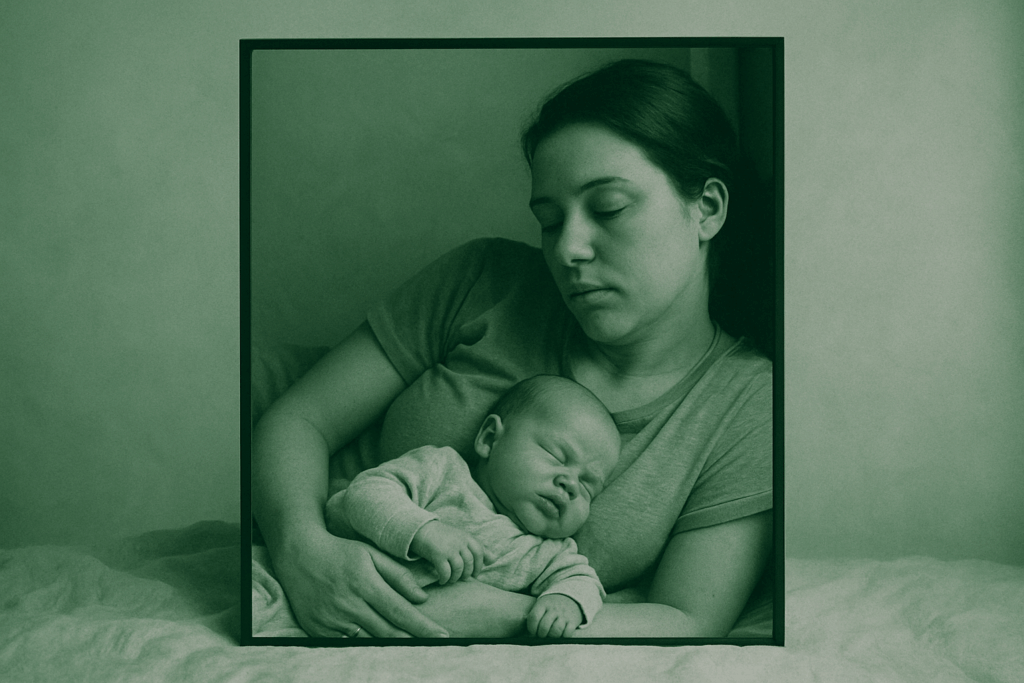
The Sleep Struggle Is Real
Welcoming a newborn is one of life’s most beautiful transitions but it undeniably comes with major sleep disruption. For many new parents, the early weeks feel like a blur of nighttime feedings, unpredictable wakeups, and seemingly endless exhaustion.
Why Sleep Deprivation Hits So Hard
Sleep isn’t just a luxury it’s essential for your physical and mental well being. New parents are often thrown into a 24/7 cycle of caregiving with little to no downtime. Combine that with the stress of adjusting to a new life stage, and the effects of lost rest become overwhelming quickly.
Irregular sleep cycles make it difficult to reach restorative, deep sleep
Waking every 1 3 hours for feedings disrupts natural body rhythms
Nighttime stress can delay falling back asleep, even when the baby is down
The Toll on Your Health and Headspace
When your sleep suffers, everything else tends to follow and fast. Lack of rest doesn’t just make you physically tired. It can cloud your thinking, make you more irritable, and even impact your immune system.
Reduced focus and memory lapses
Increased anxiety, mood swings, and irritability
Weakened immune response, making you more prone to illness
You Are Not Alone at 3AM
It’s easy to feel isolated during those lonely late night rocking sessions or 4AM feeding marathons. But the truth is, countless parents are navigating the same bleary hours right along with you.
Knowing that others are going through the same thing can help ease feelings of loneliness and frustration. Pay attention to gentle online communities or group chats with fellow parents they can offer perspective, solidarity, and a much needed sense of humor.
Connect with others experiencing the same stage of parenting
Seek out online forums or local new parent circles
Remember: survival mode doesn’t last forever
The struggle is real but it’s also temporary. Each tough night brings you one step closer to better sleep and rhythm.
Start With Realistic Expectations
Newborns don’t care what time it is. For the first three months, their sleep is scattered usually in stretches of 2 to 4 hours, day or night. That’s not a bug; it’s biology. Their internal clocks aren’t calibrated yet, and they wake frequently to feed. Knowing this upfront can save you from the mental spiral of expecting a full night’s sleep and not getting it.
Instead of mourning the 8 hour block, look for patterns in the chaos. If your baby sleeps in somewhat consistent chunks, even if short, you’re doing better than you think. Aim for total sleep across the day, not just at night. It’s about stacking rest where you can not chasing an imaginary ideal.
Bottom line? Don’t hold yourself or your baby to a gold standard that doesn’t apply yet. This stage is temporary. Treat each nap or quiet stretch as a win. Rest in shifts, stay flexible, and know that your definition of “success” will change (a lot).
Create a Flexible Sleep System
Getting better sleep with a newborn doesn’t always mean sleeping more it means making the most of the rest you do get. A flexible sleep system adjusts to your baby’s needs while helping you create windows of rest that work for your household.
Share the Load: Tag Team with a Partner or Support Person
If you’re parenting with a partner, consider shifts or a rotation system. One person handles the early evening routine while the other takes the early morning wake ups. If support from family or a trusted friend is available, use it.
Alternate night feedings or diaper changes when possible
Rotate who gets uninterrupted sleep even just 3 4 hours can make a difference
Communicate clearly about whose turn it is (even consider writing it down!)
Adjust to Baby’s Rhythms
Your newborn’s sleep is regulated mainly by feeding. Don’t fight the natural ebb and flow align with it.
Cluster feedings may offer longer stretches of sleep afterward
Use your baby’s sleep cues to predict when a nap might be possible
Avoid rigid schedules early on; look for patterns, not a strict plan
Find Your Nap Moments (and Let the Dishes Wait)
Daytime naps are a survival strategy, not a luxury. Rest when your baby rests, even if it’s only 20 30 minutes.
Set up a quiet space for yourself nearby the baby’s sleep area
Ignore the laundry prioritize moments that recharge you
Remember: a short nap can reduce stress and improve mood significantly
Creating a system that works isn’t about perfection it’s about flow. Flexibility lets you respond to your baby’s changing needs and meet your own.
Room Setup That Actually Helps

Your sleep environment matters more than you think especially with a newborn. Start by cutting out distractions. A simple white noise machine (or even an app on your phone) can help mask sudden sounds that might wake the baby or you. Pair it with blackout curtains to block early morning light, especially important if you’re catching your longest stretch of rest just after sunrise.
Next, let’s talk sleeping arrangements. Safe co sleeping isn’t one size fits all. Some families swear by bedside bassinets, others prefer a dedicated crib. The key is creating a setup that keeps baby close but safe. Whatever you go with, follow safety basics: firm mattress, no loose bedding, and baby on their back.
Then dial in the small stuff. Keep the room cool around 68 72°F is ideal. Dim the lights before bedtime to cue baby’s (and your own) wind down. Avoid overstimulation from screens or overhead lights when you’re doing those middle of the night feedings. You can’t control how often your baby wakes, but you can craft a space that makes falling back asleep a little easier each time.
Know When (and How) to Sleep Train Later
Hold Off on Formal Sleep Training
During the newborn stage (typically 0 3 months), your baby isn’t developmentally ready for structured sleep training. Their sleep cycles are irregular, and frequent waking is biologically normal due to feeding needs and rapid brain development.
Why it’s too early for traditional sleep training:
Newborns need to feed every 2 4 hours, day and night
Their circadian rhythm isn’t established yet
Cry it out methods or strict routines can disrupt bonding and feeding
Focus instead on gentle sleep cues, comforting bedtime routines, and maximizing your own rest however possible.
Signs Your Baby Is Ready for Sleep Training
As your baby grows typically around 4 to 6 months you may notice a shift. This is often the window when some sleep structure can begin.
Look for these readiness signs:
Baby can sleep in 4 6 hour stretches at night
Feeding becomes more predictable
They respond well to consistent nap or bedtime signals
You’re feeling ready to introduce more routine (emotionally and physically)
At this stage, gentle sleep training methods, like gradual soothing or routine based scheduling, may start to work effectively.
Bonus Resource: Start Planning Ahead
If you’re anticipating future sleep challenges, it helps to be informed. Check out this helpful guide for ideas:
Sleep Schedule Ideas a great starting point for when your baby is ready for more structure.
Sleep training isn’t a one size fits all journey trust your instincts, stay flexible, and know that restful nights will come in time.
Support Systems That Save You
You’re not meant to do this solo. The pressure to be an all in one parent chef, cleaner, night guard, emotional rock is unsustainable. So here’s the deal: ask for help, and accept it when it’s offered. That doesn’t mean you’ve failed. It means you’re human, and smart enough to know that survival sometimes takes a team.
Start with your inner circle. Family, close friends, trusted neighbors if they say, “Let me know if you need anything,” take them up on it. Be direct. Ask someone to sit with the baby for an hour so you can nap. Let a friend drop off groceries or fold the laundry while you shower. If you have the resources, a night nurse can be a game changer. Buying yourself a few stretches of sleep while someone else watches the monitor isn’t indulgent it’s strategic.
Community counts. Parents who lean on others tend to recover faster, feel stronger, and surprise bond better with their baby. A good night’s sleep (even if it’s just four quiet, uninterrupted hours) adds up fast.
Still finding your groove? Here are more sleep schedule ideas that can help you figure out what works for your family without losing your mind.
Bottom Line: Optimize, Don’t Overthink
Some nights will be chaos. That’s not failure it’s just part of the terrain. Sleep with a newborn is rarely clean or predictable, and trying to force order on it will only wear you down faster.
What actually helps? Focusing on what’s in your hands. You can’t control when the baby wakes up again, but you can control how you respond. Stack small wins: a 20 minute nap here, two minutes of deep breathing there, winding down early when the baby finally sleeps. Protecting your own rest, even in slivers, adds up.
Stick to a loose routine where you can, even if it’s just brushing your teeth before the next cluster feed. That rhythm becomes an anchor. Forgive the mess. Let go of ideal schedules and perfect plans. Parenting especially in the early months isn’t about getting it right every time. It’s about adapting, learning, and moving forward without burning out. Progress beats perfection every time.