

Why Kids Reject Vegetables (and What You Can Do About It)
Understanding why kids avoid vegetables is the first step to making meaningful changes. Instead of forcing the issue at the table, it helps to recognize what’s really going on from both behavioral and biological perspectives.
Common Reasons Kids Avoid Veggies
Most picky eating habits around vegetables are rooted in how kids experience food with their senses:
Texture turns them off: Many vegetables have fibrous, mushy, or watery textures that are unfamiliar or unpleasant for young children.
Bitterness and sharp flavors: Kids have more taste buds than adults, which can make bitter tastes common in many vegetables seem overpowering.
Color cues and familiarity: Bright or unfamiliar colors can lead to hesitation, especially if veggies don’t look like anything else on the plate.
What Science Says About Taste and Development
Children aren’t just being difficult they’re wired to be cautious about new foods. This comes from an evolutionary protection mechanism called “neophobia,” or fear of the unfamiliar. Here’s what to keep in mind:
Taste preferences are learned: Kids can grow to like vegetables, but it often takes repeated exposure.
Repetition matters: Research shows it can take 10 15 tries before a child accepts a new food.
Role modeling works: Kids are more likely to try (and eventually like) vegetables if they see caregivers eating them without making a fuss.
Skip the Power Struggles
The dinner table shouldn’t feel like a battleground. Forcing or bribing kids to eat vegetables usually backfires. Instead:
Offer vegetables without added pressure or commentary
Acknowledge their preferences while maintaining consistency
Allow natural curiosity and exposure to do the work over time
A low pressure mindset helps set a more positive tone around all types of food which, in the long run, supports healthier and happier eaters.
Start Small, Go Stealth
Getting picky eaters to warm up to vegetables doesn’t require a dramatic overhaul subtle, consistent efforts go a long way. Start by integrating veggies into foods your child already enjoys.
Tips for Starting Small:
Add finely chopped or grated veggies to sauces, soups, or pasta dishes.
Mix small amounts of vegetable purée into batters or baked goods.
Choose mild tasting vegetables to avoid flavor shock.
Sneaky (But Tasty) Ideas:
Zucchini muffins that taste more like dessert than dinner.
Cauliflower mashed potatoes creamy, familiar, and loaded with nutrients.
Spinach blended into a fruit smoothie with banana or berries to mask the flavor.
The goal isn’t to hide veggies forever it’s to build acceptance without pressure.
Make It a Family Experience
Kids model their eating habits on the adults around them. Turning mealtime into a shared activity rather than a battleground can make a big difference.
Ways to Make It Collaborative:
Let your child help pick out vegetables at the grocery store or farmers market.
Involve them in simple prep tasks, like washing, tearing, or stirring ingredients.
Ask for their input when planning meals this sense of ownership fosters curiosity.
Why It Works:
Children feel empowered and that leads to more willingness to try.
Being part of the process makes the food feel familiar before it even hits the plate.
Presentation is Everything
Sometimes it’s not what the vegetable is it’s how it looks. Presentation plays a huge role in whether a picky eater is willing to give it a try.
Creative Serving Ideas:
Cut vegetables into fun shapes with cookie cutters or arrange them into silly faces.
Offer dips like hummus, ranch, or yogurt sauce to make veggies more inviting.
Use colorful plates and let kids assemble their own “veggie art.”
Adjust Presentation by Age:
Toddlers: Soft cooked veggies in small, easy to hold shapes.
Older kids: More texture and color variety in a DIY style format like build your own wraps or bento boxes.
Turning vegetables into an experience, not a requirement, helps reduce resistance and boost enjoyment.
Taste Bud Training: The Long Game
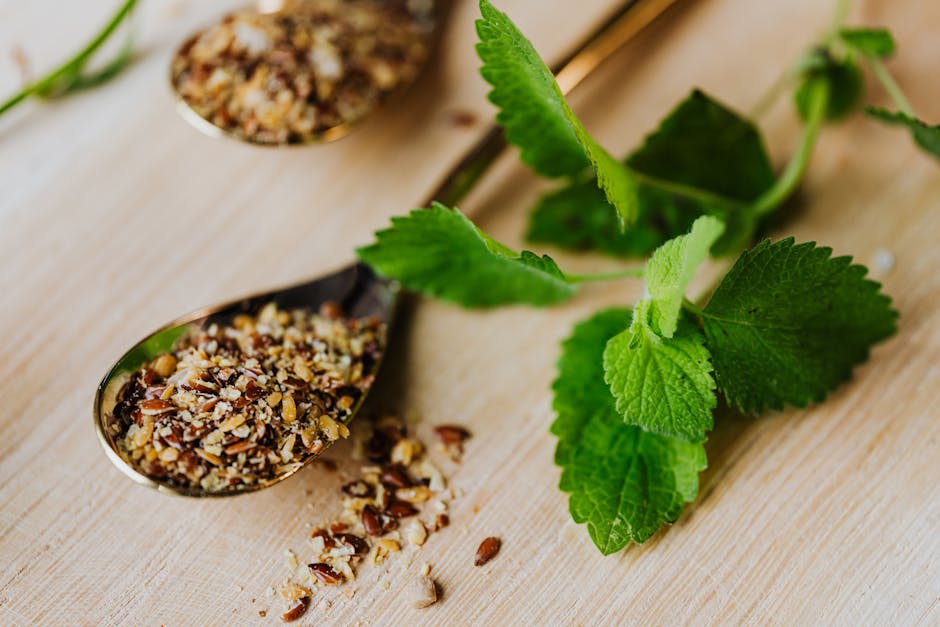
Changing a picky eater’s habits doesn’t happen overnight. That’s where the “polite bite” philosophy comes in. You don’t need a clean plate you just need one small, respectful bite. It sets the baseline with zero pressure and shows your kid that trying is the only goal. Over time, small tastes become familiar, and familiar becomes accepted. Sometimes it takes ten tries, sometimes thirty. Stay the course.
The key is to treat every mini success like it matters, because it does. Didn’t gag this time? Win. Took two bites without complaint? Huge deal. Avoid the all or nothing trap. Picky eating isn’t a battle to win in one meal it’s a pattern that shifts slowly, on its own timeline.
Track progress where it counts: behavior. Did your kid stay at the table longer? Touch the green bean this week instead of flinging it? That’s forward motion. No sticker charts required, no lectures needed. Just patience, repetition, and a calm presence. Consistency is what makes new foods feel normal, not pressure.
Keep It Affordable (and Real)
Fresh isn’t always best and it doesn’t have to be. Frozen veggies are often picked and packed at peak ripeness, locking in nutrients without the pressure of using them up before they wilt. Canned vegetables, as long as you check for added salt and sugar, can absolutely fill in the gaps on busy nights. It’s about being realistic with time, money, and what your kids will actually eat.
Mixing smart nutrition with budget savvy planning can go a long way. Buying in bulk, planning meals around seasonal deals, and keeping a few vegetables in the freezer means fewer last minute runs to the store (and less waste). Try doubling up on recipes that work like veggie packed spaghetti sauce or hearty soups and freezing portions for later.
Keeping your kitchen stocked doesn’t need to break the bank. It’s about choices that make sense for your family’s schedule and stress level. For more practical tips, check out Budget Friendly Healthy Meal Planning for Families.
Food Is More Than Fuel
Mealtime isn’t just about nutrition it’s a time for connection, exploration, and building a lifelong relationship with food. For picky eaters, creating a positive environment around vegetables is just as important as the vegetables themselves. Here’s how to take the pressure off and plant the seeds for a healthier future.
Make Mealtime Moments Count
Kids are far more likely to enjoy vegetables in a relaxed, pressure free environment. The goal? Make meals feel safe, fun, and full of opportunity, not obligation.
Share stories or talk about your day together while eating
Offer veggies in a consistent, low stress way no negotiations or bribes
Keep dinner routines predictable but not rigid
Tune Into Sensory Needs
Some children have genuine sensitivities to taste, texture, or temperature. Addressing these gently can go a long way in improving food acceptance.
Serve veggies in different forms: raw, roasted, blended, or chilled
Try food chaining connecting new vegetables to familiar preferred foods
Avoid forcing or shaming; respect sensory limits while staying positive
Build Habits That Last
The long term goal isn’t just to get kids to eat a few carrots it’s to foster a mindset that values balance, variety, and curiosity.
Model vegetable enjoyment yourself (without making a big deal out of it)
Praise effort rather than outcome: “I’m glad you tried it!”
Return to rejected veggies regularly tastes evolve over time
Ultimately, the best results come when vegetables are woven into everyday life not treated like medicine or punishment. When kids feel secure and respected at mealtime, they’re far more likely to grow into confident, adventurous eaters.