
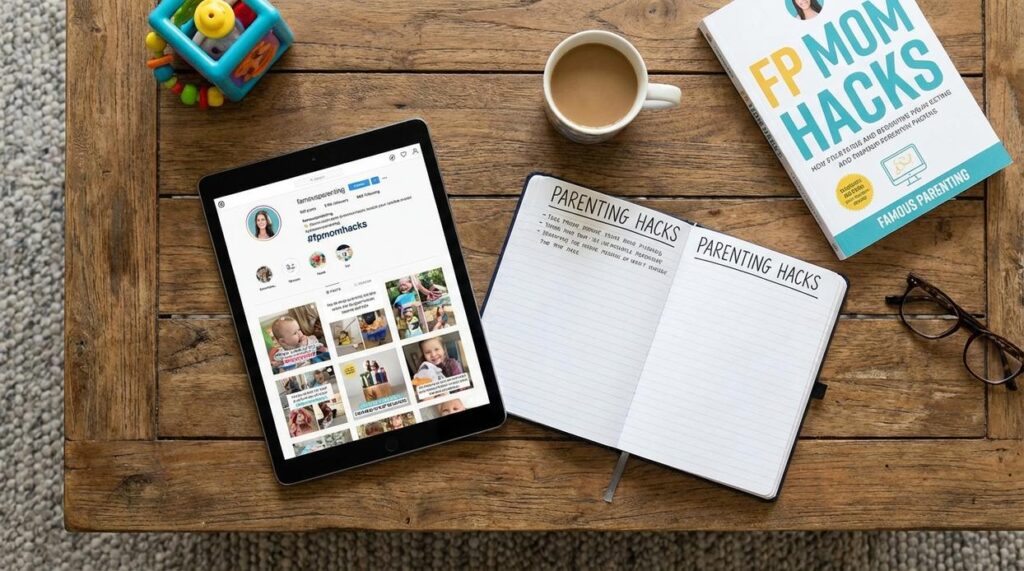
I’ve scrolled through enough parenting advice to know most of it sounds good but doesn’t actually work when your toddler is melting down in the grocery store.
You’re probably tired of clicking through articles that promise solutions but deliver the same recycled tips everyone else is sharing. I get it. You need advice that actually helps.
Here’s the thing: not all parenting guidance is created equal. Some of it comes from real experts who’ve spent decades studying child development. Most of it doesn’t.
I pulled together what leading pediatricians and child psychologists actually recommend for the challenges you’re facing right now. Not theory. Not trends. Just strategies that work.
This article gives you fpmomhacks parenting advice by famousparenting that cuts through the noise. You’ll find practical approaches backed by people who know what they’re talking about.
We consulted research from developmental experts and practicing pediatricians to make sure what you’re reading here is credible. No guesswork or popular opinion disguised as fact.
You’ll walk away with proven strategies for common parenting challenges. The kind you can use today, not someday when conditions are perfect.
No fluff. Just what works.
The Pediatrician’s Playbook: Building a Foundation of Health and Routine
I’ll never forget my daughter’s first checkup.
She was three weeks old and I sat there with my list of questions. Sleep schedules. Feeding times. That weird rash on her neck (turns out it was nothing).
The pediatrician looked at my list and smiled. Then she said something that stuck with me: “Most parents overthink the details and undervalue the basics.”
She was right.
I was obsessing over whether my baby needed tummy time at exactly 10am or if 10:15 was too late. Meanwhile I was running on four hours of sleep and hadn’t eaten a real meal in days.
Here’s what I learned. Building healthy routines for your kids starts with understanding what actually matters.
Some parents say strict schedules are the only way. Wake times down to the minute. Meals at exact intervals. They’ll tell you that flexibility breeds chaos.
And look, structure matters. I’m not saying it doesn’t.
But rigid schedules can backfire. Life happens. Doctor appointments run late. Your toddler refuses lunch at noon but is starving at 12:30. If you’re locked into a system that can’t bend, you’ll drive yourself crazy. In the ever-changing landscape of parenting, embracing flexibility with strategies like Fpmomhacks can help you navigate unexpected challenges without losing your sanity.
What pediatricians actually recommend is something different. Consistent patterns, not rigid timelines.
I started using what I call the anchor method. Pick a few key activities that happen around the same time each day. Morning wake-up. Afternoon quiet time. Bedtime routine. Everything else can float a bit.
This approach comes straight from fpmomhacks parenting advice by famousparenting, and it changed how our household runs.
You get the benefits of routine without the stress of perfection. Your kids know what to expect. But you’re not watching the clock every five minutes.
For relations tips fpmomhacks, this flexibility matters even more. When everyone in the family feels less stressed, relationships improve naturally.
The foundation isn’t about perfect execution. It’s about showing up consistently in ways that work for your actual life.
The Child Psychologist’s Toolkit: Nurturing Emotional Intelligence
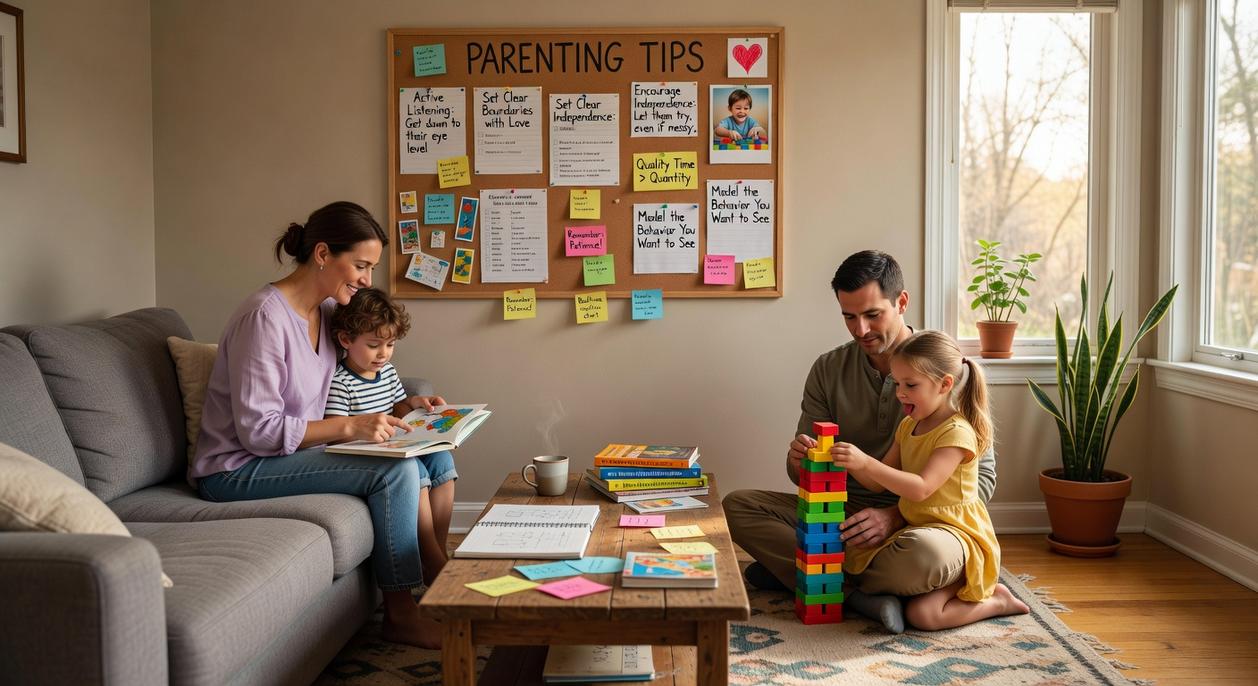
Your kid melts down at the grocery store.
Again.
And you’re standing there wondering if you’re doing something wrong. If other parents have some secret you missed.
Here’s what I’ve learned after years of working with families. Emotional intelligence isn’t something kids just pick up on their own. It’s taught (even if we don’t realize we’re teaching it).
Some experts say emotional intelligence is overrated. They argue kids need discipline and structure, not feelings talk. That all this focus on emotions creates soft kids who can’t handle the real world.
I hear that argument a lot.
But here’s where I think they miss the mark. Teaching emotional intelligence doesn’t mean letting kids do whatever they want. It means giving them tools to understand what’s happening inside their heads.
Think about it this way. When your child can name their feelings, they’re less likely to throw the toy across the room. They learn to say “I’m frustrated” instead of acting out.
That’s not being soft. That’s being smart.
Now, I’m going to make a prediction. Over the next five years, we’re going to see emotional intelligence become as standard in parenting as teaching kids to read. Schools are already starting to catch on (some districts are adding social-emotional learning to their curriculum). As the importance of emotional intelligence in parenting continues to rise, savvy gamers and parents alike are turning to innovative resources like Fpmomhacks to navigate this new educational landscape.
The parents who start now? They’ll have a head start.
What does this actually look like at home? It starts with naming emotions when you see them. “You look angry right now” or “That seems scary.”
Simple stuff. But it works.
You can find more practical approaches through fpmomhacks parenting advice by famousparenting that break down these concepts into daily actions.
The toolkit isn’t complicated. You probably already have most of what you need.
You just need to know how to use it.
The Educator’s Edge: Sparking Curiosity and a Love for Learning
You know what drives me crazy?
When people act like getting kids excited about learning is some magical gift only certain parents have.
Like you either have it or you don’t.
That’s nonsense. And honestly, it makes parents feel terrible for no reason.
I see moms beating themselves up because their kid would rather watch YouTube than read a book. They think they’re failing. They wonder why their neighbor’s kid loves science projects while theirs complains about homework.
Here’s what nobody tells you.
Kids aren’t born hating learning. They’re born curious. But somewhere along the way, we kill that curiosity without meaning to.
We turn everything into a chore. We make reading feel like punishment. We stress about grades so much that learning becomes about avoiding failure instead of discovering cool stuff.
And then we wonder why they’re not excited.
The truth is simpler than you think. You don’t need fancy educational toys or a teaching degree. You just need to stop making learning feel like work.
I’ve watched this play out with my own kids. The moment I stopped pushing and started asking questions, everything changed. Instead of telling them to read, I got curious about what they were interested in.
When you apply fpmomhacks parenting advice by famousparenting, you realize it’s about meeting kids where they are. Not where you think they should be. By embracing the insights from Relations Tips Fpmomhacks, parents can better understand the importance of connecting with their children in ways that truly resonate with their experiences and emotions.
Want to know the real secret? Stop trying so hard. Kids can smell desperation from a mile away.
Start with what they already love and build from there. That’s it.
Parenting with Confidence, Backed by Experts
You came here looking for advice that actually works.
I get it. You’re tired of scrolling through conflicting opinions and trendy parenting hacks that fall apart in real life.
The truth is simpler than you think. When you focus on core principles from pediatrics, psychology, and education, you build a toolkit you can rely on. No guesswork. No second-guessing yourself at 2 AM.
fpmomhacks parenting advice by famousparenting gives you exactly that. Expert-backed strategies that fit into your actual life.
Here’s what I want you to do: Pick one tip from this article and try it this week. Just one.
You already have what it takes to be a great parent. Sometimes you just need the right information to back up your instincts.
The endless scroll of parenting advice isn’t helping you. Action is.
Trust yourself. You’ve got this. Homepage.