
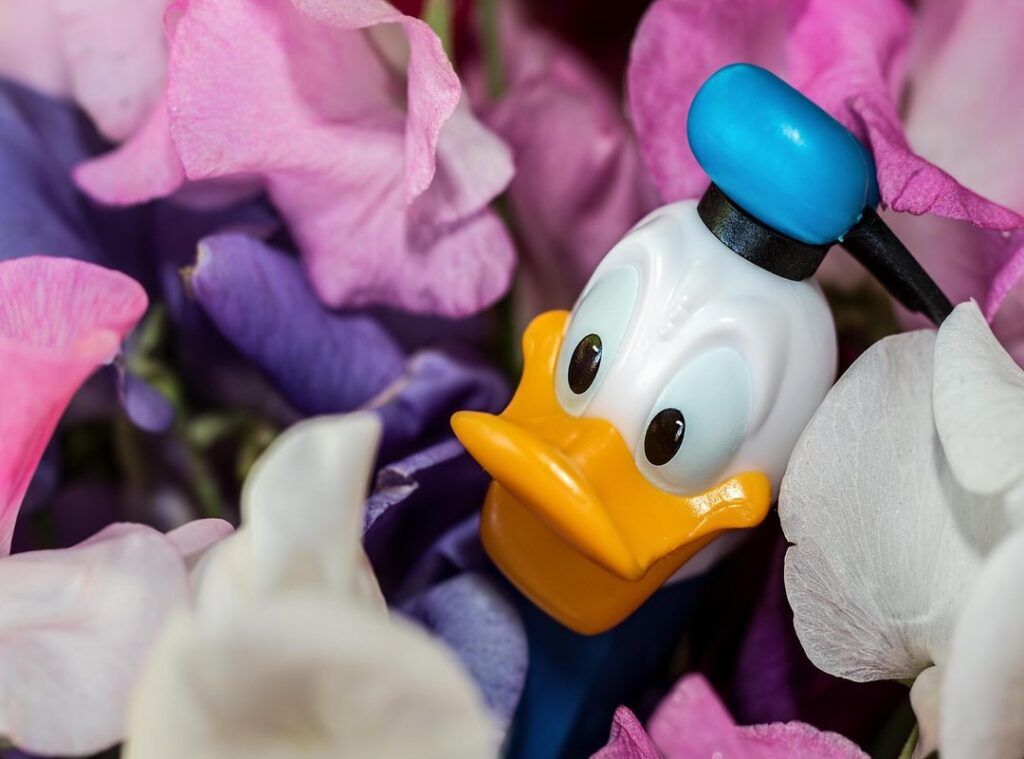
Chubby-cheeked characters like Pikachu or Kirby have a universal appeal. They’re memorable and endearing, making you want to draw them yourself. But where do you start?
You might be thinking, “I don’t even know the basics.” This guide is here to help. We’ll break down the simple principles and give you an easy-to-follow, step-by-step guide to drawing your first dibujo animado cacheton. The technique relies on basic shapes, so it’s accessible even for absolute beginners.
By the end of this, you’ll have the confidence and skills to create your own cute, round-faced characters.
The Core Anatomy of a ‘Cacheton’ Character
Let’s talk about cacheton characters. In character design, cacheton means chubby-cheeked, round, and soft features.
The core principle is simple: use circles and soft, curved lines. This creates a sense of youth and appeal.
Key anatomical features? A large, often oversized head compared to the body. Cheeks that bulge out from the main head shape.
Facial features are crucial. Eyes are typically large, set wide apart, and low on the face. The nose and mouth are kept small and simple.
This emphasizes the cheeks and eyes.
Ever wondered why we love these designs so much? It’s all about neoteny—baby-like features, and humans are naturally drawn to them.
Think about it. A sharp, angular face feels different from a soft, circular one. The latter just seems more approachable and cute.
dibujo animado cacheton is a perfect example. These characters are designed to be endearing and relatable.
Looking ahead, I predict this trend will continue. As long as we find comfort and joy in these soft, round designs, cacheton characters will remain a staple in animation and art.
Gathering Your Simple Toolkit: What You’ll Need to Start
When you’re just starting out, it’s easy to get overwhelmed by the sheer number of art supplies available. Trust me, I’ve been there. But here’s the deal: you don’t need a fancy setup to begin.
A standard HB pencil is perfect for sketching. It’s versatile and gives you a good range of line thicknesses.
For erasing, go with a kneaded eraser. It’s gentle on the paper and won’t leave smudges behind. This is crucial when you’re working on detailed drawings.
Plain drawing paper is all you need at first. It’s affordable and works well for most beginner projects.
Starting with these basic tools helps you focus on learning the fundamentals. You can master techniques without getting distracted by complex materials.
Once you feel more confident, you can add a few ‘next-level’ tools. A set of drawing pencils (2H for light lines, 2B for darker lines) can expand your shading options. Fine-liner pens are great for inking, giving your drawings clean, crisp lines.
Colored pencils or markers can add a splash of color to your work. They’re fun to experiment with and can bring your sketches to life.
When it comes to paper, smoother surfaces are better for cleaner lines and inking. This is especially true if you plan to use fine-liner pens.
If you prefer digital, a simple drawing app with basic brush and eraser tools can be a great start. Many apps offer a user-friendly interface that’s not too overwhelming.
Quick tip: If you’re into dibujo animado cacheton, smooth paper can really help with those clean, expressive lines. dibujo animado cacheton
Remember, the key is to start simple and build up as you gain confidence.
Your First Chubby-Cheeked Character: A Step-by-Step Tutorial

Let’s dive right in. Drawing a chubby-cheeked character, or dibujo animado cacheton, can be a fun and rewarding experience. Here’s how to do it step by step.
Start with the foundation. Draw a large, light circle for the head. Add a vertical and horizontal guideline through the center.
This will help you place the features accurately.
Next, build those cheeks. Draw two smaller, overlapping circles on the lower left and right sides of the main head circle. This is the key to creating the ‘cacheton’ look.
Then, trace the outer shape to form the final head silhouette.
Now, place the face, and use the horizontal guideline as a base. Draw two large, round eyes, keeping them low on the face.
Add a tiny, simple nose and mouth in the space between and below the eyes.
Adding personality is next. Include simple, curved shapes for hair or ears on top or on the sides of the head. Keep these shapes soft to match the overall design.
Refine and ink. Carefully erase the initial guidelines and overlapping circle lines. Once the sketch is clean, go over the final lines with a darker pencil or a pen.
Pro tip: Don’t be afraid to exaggerate the roundness. The chubbier the cheeks, the cuter the character will often look.
By following these steps, you’ll create a charming and adorable character that stands out.
Famous Examples to Inspire Your Drawings
When I think of dibujo animado cacheton, a few characters always come to mind. Let’s dive in.
Kirby is a perfect example. His perfectly spherical body and simple, low-set facial features embody the style.
Pikachu from Pokémon is another one. “His prominent, circular red cheeks and overall soft body shape make him a standout,” my friend, an artist, once told me.
Winnie the Pooh is a classic. His soft, rounded muzzle and gentle, circular head structure are iconic.
And who can forget the Minions from Despicable Me? Their pill-shaped bodies and large, expressive eyes that dominate their faces are a masterclass in simplicity.
Take a look at these examples. Identify the core principles we discussed earlier—circles, low features, and soft shapes.
Start Creating Your Own Lovable Characters Today
Drawing chubby-cheeked characters is an easy and fun skill based on the simple magic of circles and curves. The key steps are to start with a foundation circle, add cheek circles, and place the features low. dibujo animado cacheton can be your next project. Grab a piece of paper and follow the steps right now to create your first character.
Remember, practice is the key to developing your own unique style.
 There is a specific skill involved in explaining something clearly — one that is completely separate from actually knowing the subject. Wilburn Cliftere has both. They has spent years working with expert parenting advice in a hands-on capacity, and an equal amount of time figuring out how to translate that experience into writing that people with different backgrounds can actually absorb and use.
Wilburn tends to approach complex subjects — Expert Parenting Advice, Family Activities and Projects, Parenting Tips and Hacks being good examples — by starting with what the reader already knows, then building outward from there rather than dropping them in the deep end. It sounds like a small thing. In practice it makes a significant difference in whether someone finishes the article or abandons it halfway through. They is also good at knowing when to stop — a surprisingly underrated skill. Some writers bury useful information under so many caveats and qualifications that the point disappears. Wilburn knows where the point is and gets there without too many detours.
The practical effect of all this is that people who read Wilburn's work tend to come away actually capable of doing something with it. Not just vaguely informed — actually capable. For a writer working in expert parenting advice, that is probably the best possible outcome, and it's the standard Wilburn holds they's own work to.
There is a specific skill involved in explaining something clearly — one that is completely separate from actually knowing the subject. Wilburn Cliftere has both. They has spent years working with expert parenting advice in a hands-on capacity, and an equal amount of time figuring out how to translate that experience into writing that people with different backgrounds can actually absorb and use.
Wilburn tends to approach complex subjects — Expert Parenting Advice, Family Activities and Projects, Parenting Tips and Hacks being good examples — by starting with what the reader already knows, then building outward from there rather than dropping them in the deep end. It sounds like a small thing. In practice it makes a significant difference in whether someone finishes the article or abandons it halfway through. They is also good at knowing when to stop — a surprisingly underrated skill. Some writers bury useful information under so many caveats and qualifications that the point disappears. Wilburn knows where the point is and gets there without too many detours.
The practical effect of all this is that people who read Wilburn's work tend to come away actually capable of doing something with it. Not just vaguely informed — actually capable. For a writer working in expert parenting advice, that is probably the best possible outcome, and it's the standard Wilburn holds they's own work to.